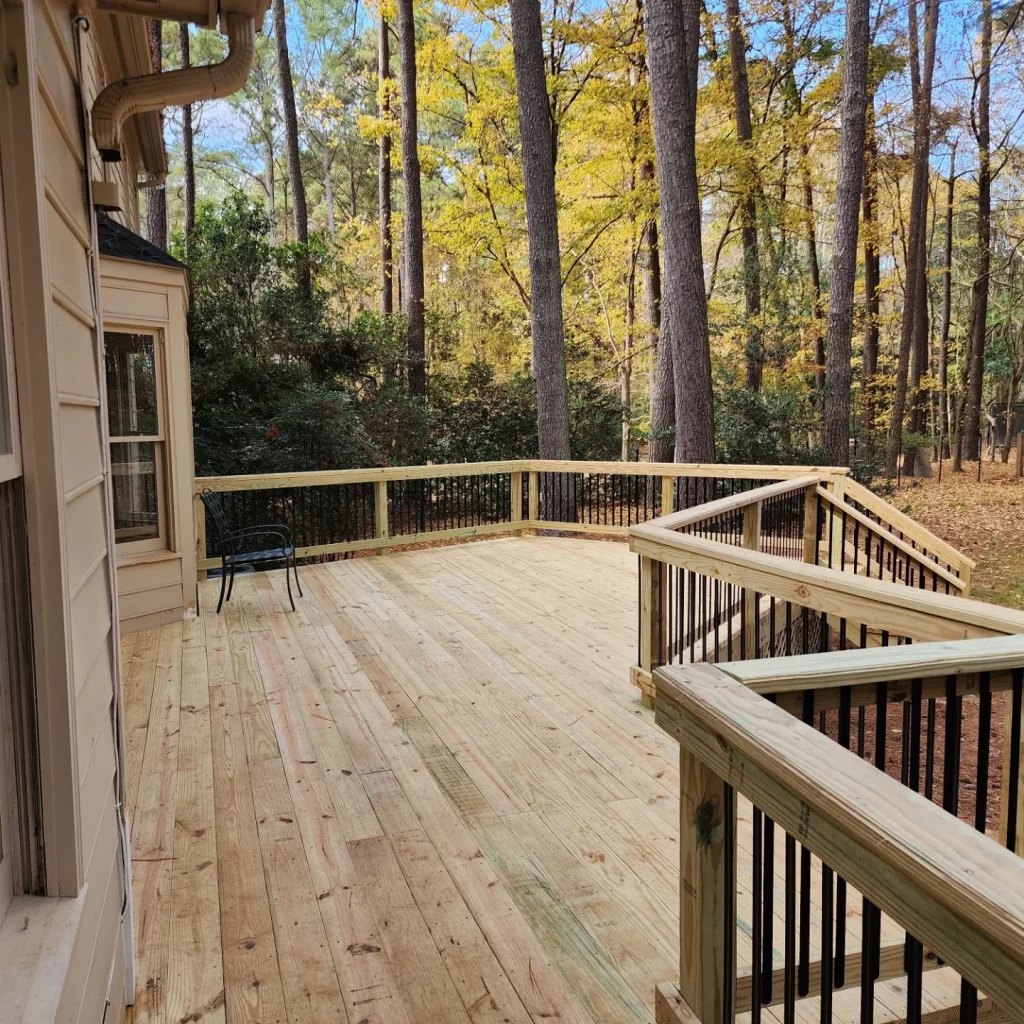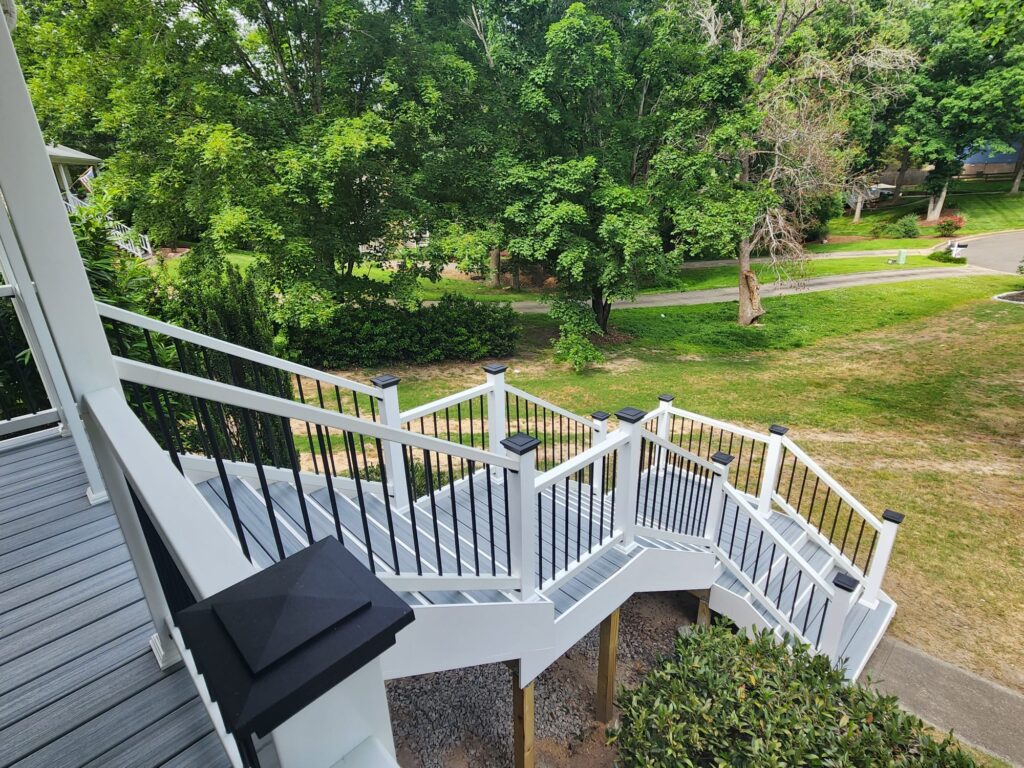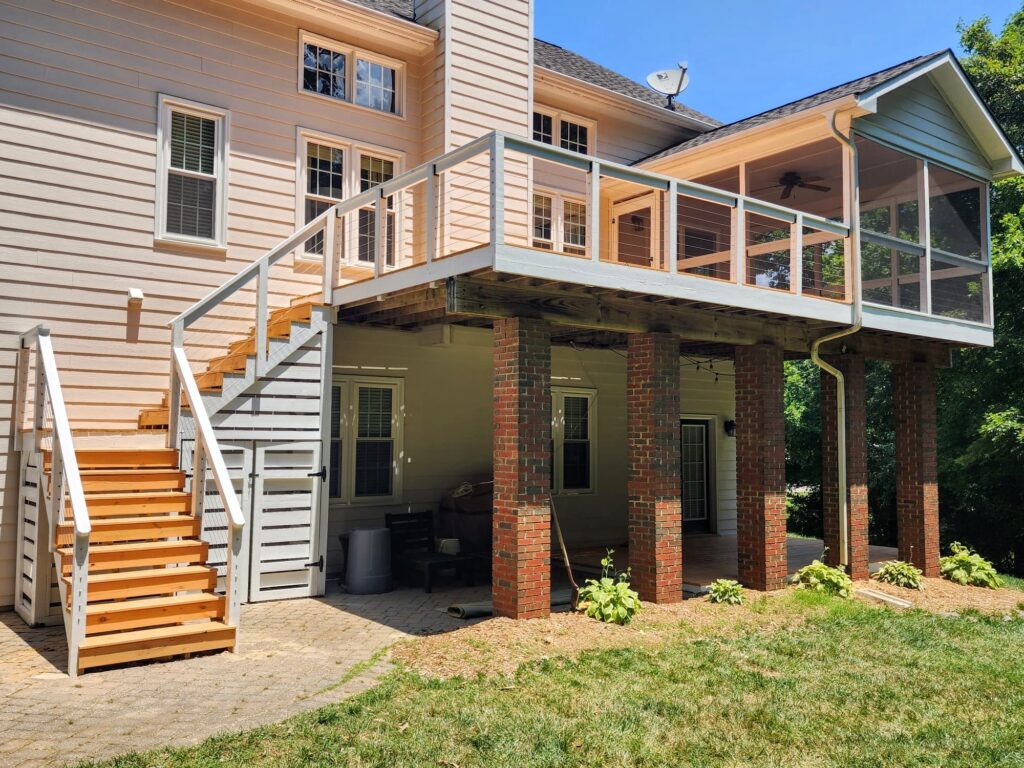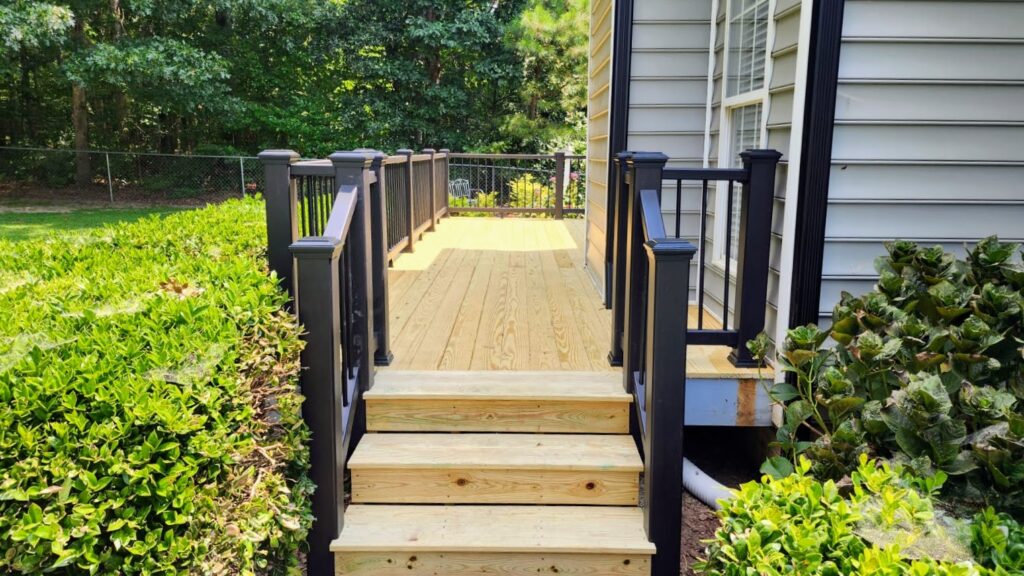
Adding Raised Garden Beds to Your Deck Plans in the Wake Forest Area

As more homeowners in the Wake Forest area embrace sustainable living and outdoor comfort, raised garden beds are becoming a standout feature in modern deck designs. At Evergreen Decks LLC, we’re excited to offer raised garden beds as an integrated option in our custom deck plans, giving our customers a beautiful, functional way to grow herbs, vegetables, and flowers—right outside their back door.

Whether you’re a seasoned gardener or a curious beginner, incorporating raised beds into your deck can enhance your outdoor space in both form and function. Here’s why it’s a smart addition—and how we can help make it part of your next project.


Why Add Raised Garden Beds to Your Deck?

1. Maximize Your Outdoor Living Space

In Wake Forest, where mild seasons encourage outdoor living, raised garden beds on your deck can transform unused corners or perimeter space into vibrant mini-gardens. They allow you to grow fresh produce or flowers even if you don’t have a large yard—or any yard at all. And when integrated directly into the deck design, they create a seamless look that elevates the beauty of your backyard retreat.

2. Easy Maintenance & Accessibility

Raised beds reduce the strain of bending and kneeling, making gardening more accessible for everyone. For homeowners looking to age in place or simply reduce the wear and tear on their knees and backs, deck-level garden beds offer a convenient solution.

With Evergreen Decks LLC, we can design garden beds at your preferred height and location, whether that’s waist-level planters along the railing or lower beds tucked into deck corners.

3. Better Drainage & Soil Control

One of the biggest advantages of raised beds is the control they offer over soil quality and drainage. Wake Forest and Raleigh area soil can vary significantly by location, and with raised beds, you’re not dependent on your yard’s existing conditions. This makes it easier to grow a wider variety of plants and keep your garden thriving.


Custom Built to Fit Your Deck Design

At Evergreen Decks LLC, we specialize in creating decks that reflect your lifestyle and tastes—and garden beds are no exception. When we design your custom deck, we can incorporate raised beds in multiple ways:

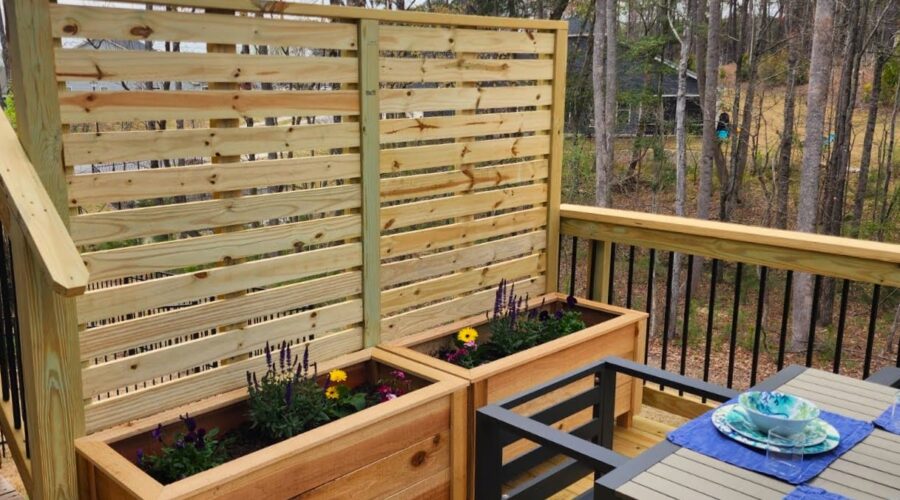
  • Built-in Planter Boxes: Integrated directly into the deck’s frame, these offer a streamlined, cohesive look.
  • Modular Garden Beds: Freestanding but coordinated with your deck’s materials and design, allowing for flexibility in layout.
  • Perimeter Beds: These run along the edges of the deck and can double as stylish barriers or natural privacy screens.

We use durable, rot-resistant materials like cedar, composite lumber, or pressure-treated wood—depending on your deck type and aesthetic preferences. We would be happy to help you select the best materials and placement to suit your needs and maximize sunlight exposure.


Local Plants Thrive in Raised Beds

If you’re new to gardening or wondering what to grow, Wake Forest’s climate is ideal for a variety of plants that thrive in raised beds. Popular choices include:

  • Herbs like basil, mint, rosemary, and thyme
  • Leafy greens like lettuce, kale, and spinach
  • Tomatoes, peppers, and cucumbers for a summer harvest
  • Colorful flowers like marigolds, lavender, and petunias

Our team can even offer tips or connect you with local landscapers or gardening experts if you want help planning your first planting season.


Sustainable and Eco-Friendly

Raised garden beds aren’t just great for you—they’re good for the environment too. They encourage organic growing practices, reduce food packaging waste, and minimize the use of chemical fertilizers and pesticides.

When we build garden beds for your deck, we focus on sustainability: responsibly sourced wood, eco-friendly stains and sealants, and smart designs that promote water conservation. It’s just one more way we help you create a greener outdoor living space.


Let’s Design Your Dream Deck with Raised Beds

Whether you’re planning a small backyard refresh or a complete deck overhaul, Evergreen Decks LLC is here to help. Our team will work with you to design a space that blends beauty, functionality, and sustainability—with raised garden beds tailored to your needs.

Raised beds can be a small addition with big impact—bringing you closer to nature, improving your meals with fresh produce, and adding a peaceful, living element to your deck experience.


Get Started Today

If you’re in Raleigh, Wake Forest, or surrounding areas and ready to enhance your outdoor space, contact Evergreen Decks LLC for a free consultation. We’ll walk you through your options, including custom raised garden bed designs, and help bring your deck vision to life.
The Pros and Cons of Choosing Composite Materials for Decks

When it comes to building or upgrading a deck in the Triangle area, one of the most important decisions homeowners face is the choice of material. Composite decking has become very popular over the years as an alternative to traditional wood. But is it the right choice for your outdoor space? Here are some pros and cons of choosing composite materials for decks.

Pros of Composite Decking

  1. Low Maintenance
    A significant advantage of composite decking is its low maintenance requirements. Unlike wood, composite boards don’t need staining, sealing, or sanding. Occasional cleaning with soap and water is usually enough to keep it looking great year-round.
  2. Durability
    Composite materials resist fading, warping, splintering, and insect damage. Many high-quality composite decking products come with a 25-year or more warranty, making them a long-term investment for your home.
  3. Eco-Friendly
    Many composite decking boards are made using recycled materials, such as plastic and reclaimed wood. This makes composite decking a more environmentally conscious choice than traditional hardwood options.
  4. Aesthetic Versatility
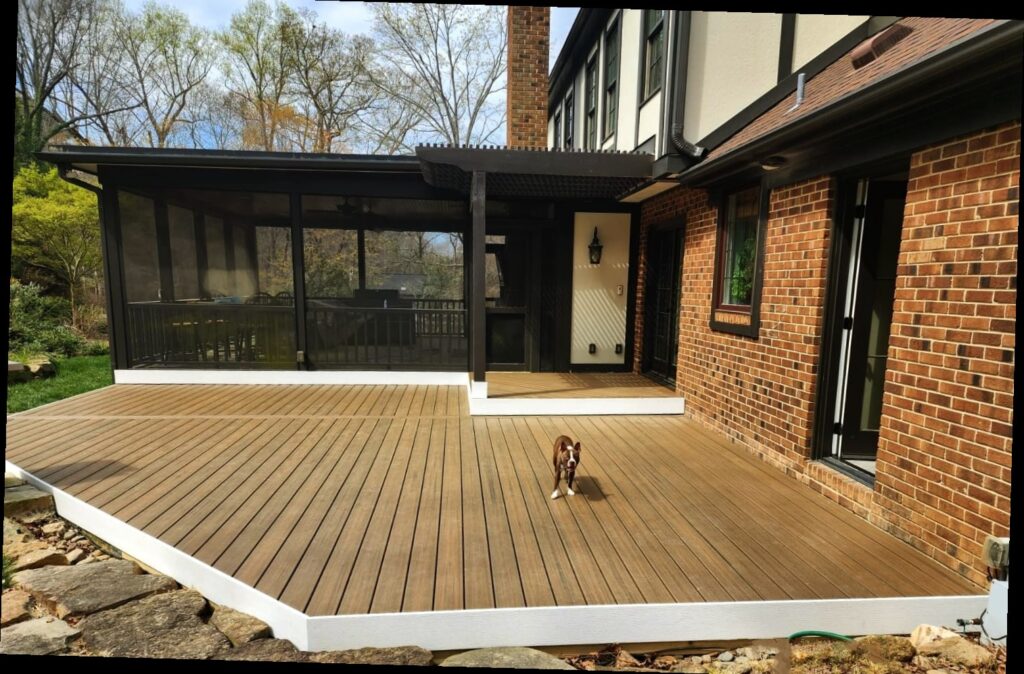
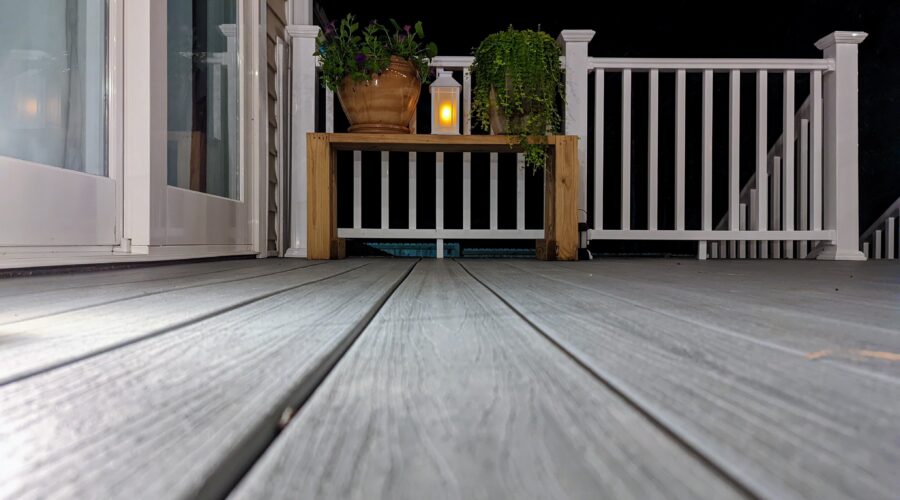
    Composite decking is available in various colors, textures, and styles that mimic the natural look of wood. Whether you prefer a rustic look or a contemporary finish, there’s likely a composite option that suits your taste.
  5. Safety Features
    Composite decking is often slip-resistant and splinter-free, making it a safer surface for families with children and pets.

Cons of Composite Decking

  1. Higher Initial Cost
    One of the biggest drawbacks of composite materials is the upfront cost. Generally, composite decking is more expensive than pressure-treated wood, which may be a deciding factor for homeowners with a lower budget.
  2. Heat Retention
    Composite decks can become quite hot under direct sunlight, making it uncomfortable to walk barefoot during summer. Some brands offer heat-resistant options & lighter colors are generally less of an issue. This is something to consider however based on the Triangle area climate, and how you plan to use your deck.
  3. Surface Scratching
    While composite decks are very durable, they are not entirely immune to scratches and scuffs. Heavy furniture or dragged objects, especially with lower-grade products, may leave marks on the surface.
  4. Limited Repair Options
    Wood allows for sanding and refinishing, whereas a damaged composite board must often be replaced entirely. We have not had this experience with a customer (or with our own decks) yet, but this is something to keep in mind.
  5. Synthetic Appearance (in some cases)
    Although composite decking has made great strides in mimicking real wood, some products still have a synthetic look and feel that some people do not like.

Is Composite Decking Right for You?

Choosing composite materials for your deck depends on your priorities. Composite decking could be ideal if you’re looking for a low-maintenance, durable, and eco-friendly option. However, if cost and natural aesthetics are more important, you may prefer traditional wood.

When deciding, consider the Raleigh area climate, your lifestyle, and your long-term goals. Composite decking offers many benefits, but weighing both the pros and cons is essential to determine what works best for your home and budget.

If you want a quote for a project, click here for a no-strings-attached estimate or email me at evergreendecksllc@gmail.com

Comprehensive Guide to Maintaining Decks and Pergolas in the Triangle Area

The Triangle area (Raleigh, Durham, Chapel Hill) experiences unique weather conditions—from humid summers to occasional freezing winters—that can significantly impact the longevity of your deck or pergola. This guide offers professional insights, a maintenance schedule, and DIY tips to help you preserve your outdoor spaces. Whether you’re a dedicated DIYer or prefer leaving it to the pros, this guide will show you how to keep your outdoor structures in excellent condition.

If you want a quote for a project click here for a no-strings-attached estimate or email me at evergreendecksllc@gmail.com

The Importance of Maintenance

Wood and composite materials are susceptible to moisture, temperature changes, UV exposure, and pests. Regular maintenance prevents:

  • Wood rot and warping
  • Fading and discoloration
  • Mold and mildew growth
  • Structural damage from pests like termites

Annual Maintenance Schedule

Spring

  • Inspect: Check for loose nails, screws, or boards; inspect for signs of rot, mildew, or pest damage.
  • Clean: Power wash to remove dirt, mold, and algae. Use a cleaner formulated for your deck’s material.
  • Seal/Reseal: Apply a UV-blocking sealant or stain to wood decks. For composite decks, follow the manufacturer’s recommendations.
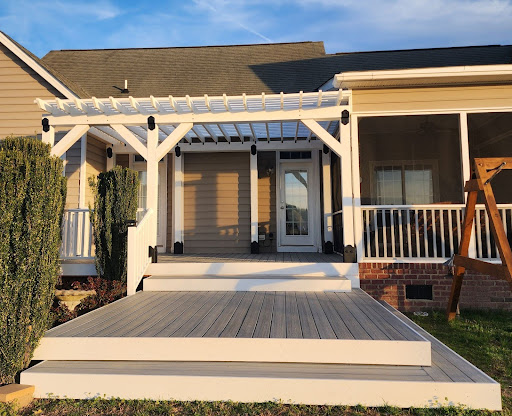
  • Pergola Care: Check for peeling paint or damaged beams; repaint or reseal if needed.

Summer

  • Monitor: Look for signs of insect activity, such as small holes or sawdust (a sign of termites or carpenter ants).
  • Shade Maintenance: Inspect pergola covers or fabric shades for wear and tear. Replace or repair as needed.
  • Spot Cleaning: Remove debris and wipe down surfaces regularly.

Fall

  • Clean Debris: Remove fallen leaves and dirt to prevent moisture buildup.
  • Inspect: Look for damage from summer storms or UV exposure.
  • Protect: Add weatherproof covers to pergolas with fabric shades.

Winter

  • Clear Snow: Remove snow promptly to prevent excessive weight and moisture damage.
  • Protect Materials: Cover furniture and accessories to reduce wear.
  • Final Inspection: Ensure all fasteners are tight and wood is sealed.

DIY Maintenance Tips

  1. Power Washing
    • Use a low or medium setting to avoid damaging the wood or composite material.
    • Work in sections and allow the deck to dry thoroughly before sealing.
  2. Staining and Sealing
    • Use a high-quality, weather-resistant stain or sealant, such as oil-based or water-based options designed for humid climates.
    • We prefer using a good quality semi-transparent oil stain on new decks and solid color water-based stains on older decks.
    • Apply evenly with a sprayer or roller and follow up with a brush for crevices.
  3. Mold and Mildew Removal
    • Mix one part vinegar with three parts water and scrub with a stiff-bristled brush.
    • For tougher stains, consider a specialized deck cleaner.
  4. Pest Prevention
    • Watch for signs of termites, carpenter ants, and powderpost beetles. Look for small holes, sawdust piles, or damaged wood.
    • Keep the area around the deck or pergola clear of plants and debris.
    • Apply borate solutions or professional-grade pest treatments to prevent infestations.

Best Materials for the Triangle Area

  1. Wood Options
    • Cedar and Redwood: Naturally resistant to rot and insects; excellent for humid climates but require regular sealing.
    • Pressure-Treated Pine: Economical and durable but must be sealed to protect against moisture and pests.
  2. Composite Decking
    • Trex or TimberTech: Low-maintenance and resistant to humidity, fading, and pests.
    • Capped Composite: Adds an extra layer of protection against the elements and is ideal for high-humidity areas like the Triangle.
  3. Sealants and Stains
    • Water-Repellent Sealers: Ideal for humid climates to reduce moisture absorption.
    • UV-Blocking Stains: Protects against sun damage and fading; semi-transparent stains offer a natural look while providing protection.
  4. Paints and Finishes
    • Use exterior-grade paint formulated for high humidity and temperature fluctuations.
    • Look for mildew-resistant additives to prevent mold growth on pergolas and decks.

Why Hire a Professional?

While DIY maintenance can save money, it often requires specialized tools, materials, and a significant time commitment. Common challenges include:

  • Time-Consuming Tasks: Cleaning, sanding, sealing, and repairing require proper prep and curing time. Staining must be done correctly to avoid lap marks.
  • Safety Concerns: Power washing and structural repairs can be hazardous without the right equipment.
  • Expertise: Professionals know how to identify and address issues like hidden rot, pest damage, or structural instability.

By hiring a professional, you ensure:

  • High-Quality Results: Achieve a polished finish that lasts.
  • Peace of Mind: Professionals use top-grade materials and proven techniques.
  • Time Savings: Free up your weekends for relaxation and enjoyment.

If you want a quote for a project click here for a no-strings-attached estimate or email me at evergreendecksllc@gmail.com